
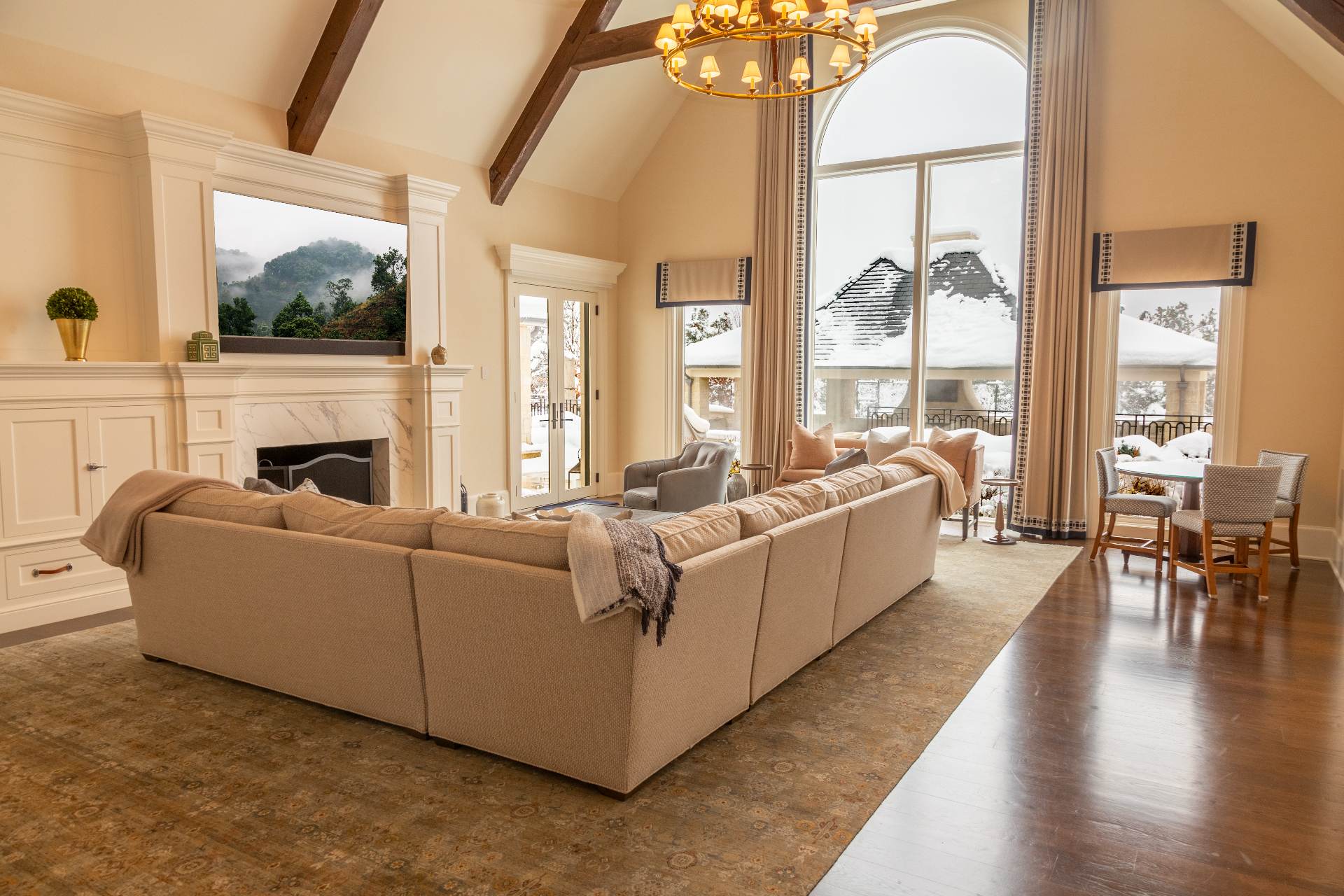
Prewire & new construction
Window Treatment Prewire — Pockets, Power, and Details
For architects and builders
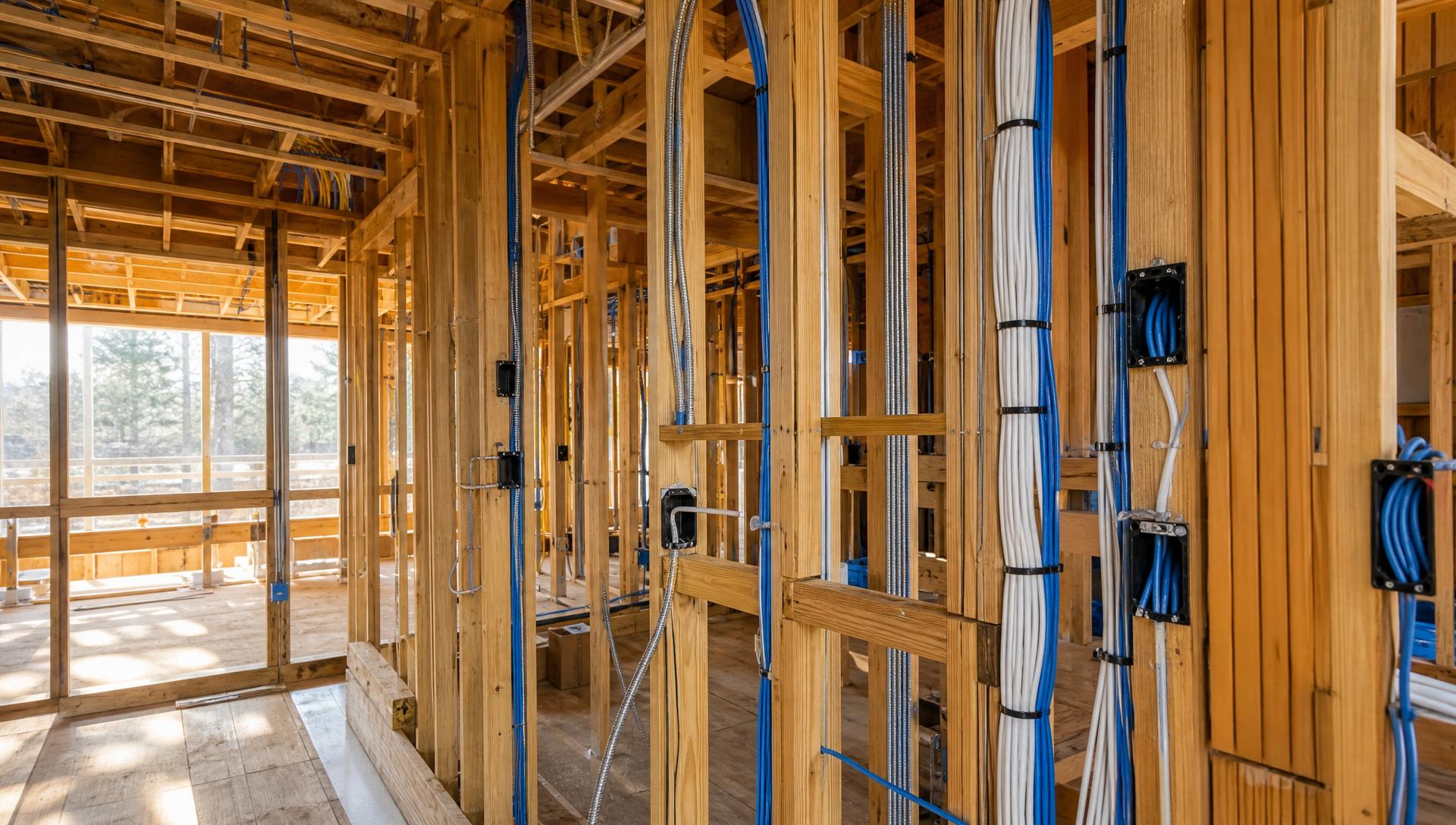
A recessed shade pocket is the difference between window treatments that look designed and window treatments that look added. It has to be drawn, framed, and powered during construction.
We do more than motorized rollers — drapery tracks, shutters, romans, and custom fabrication out of our own workroom — and each type carries different pocket depth, blocking, and power requirements.
Before the pocket closes
- Pocket depth sized to fabric roll diameter at full window height
- Fascia, reveal, and light-gap detail agreed with the architect
- Line-voltage power inside every pocket, on switched or dedicated circuits
- Blocking for drapery tracks, hardware, and shutter frames
- Access panel or removable fascia for future motor service
- Ceiling or jamb-mount decision made before drywall
- Coordination with the drapery workroom on stack width and returns
- Hembar alignment planned across multi-window walls
- Skylight and clerestory runs planned with lift access in mind
- Solar exposure reviewed for fabric openness and glare control
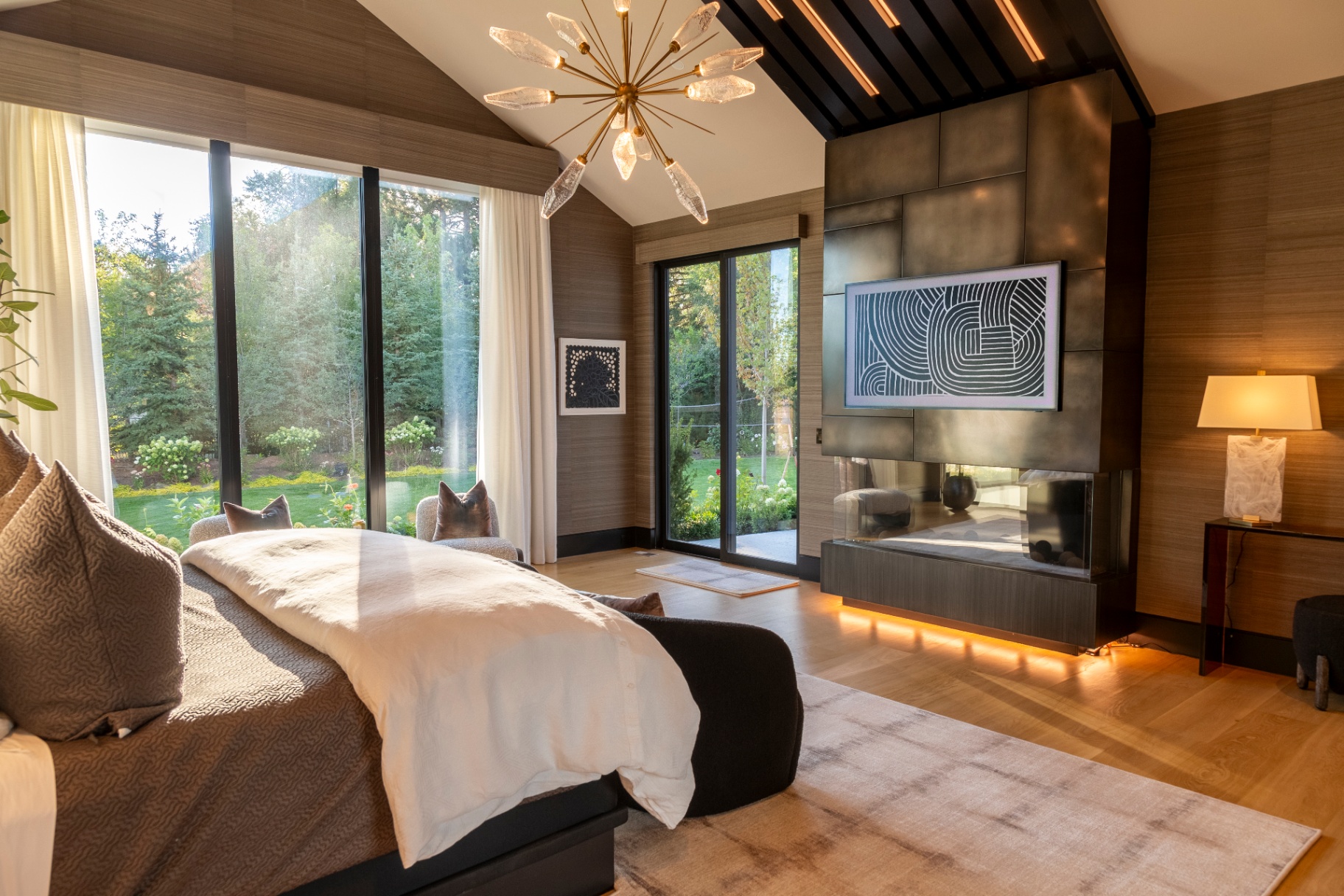
More than motorized rollers
Our workroom fabricates drapery, romans, and custom soft goods, and we install shutters and hard treatments alongside motorized systems. Because those choices affect pocket depth and blocking, we resolve them during design rather than at order time.
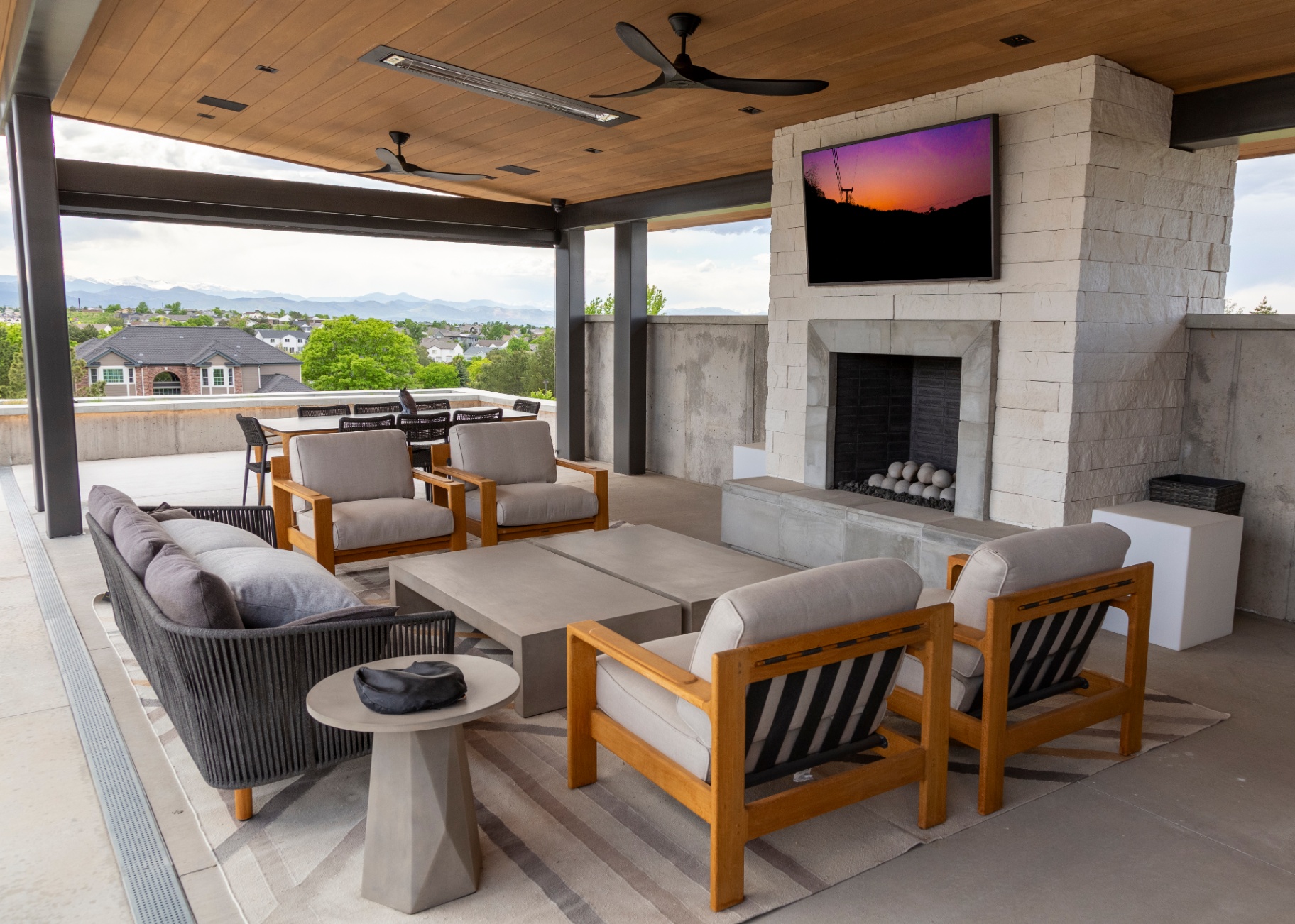
Alignment across a wall of glass
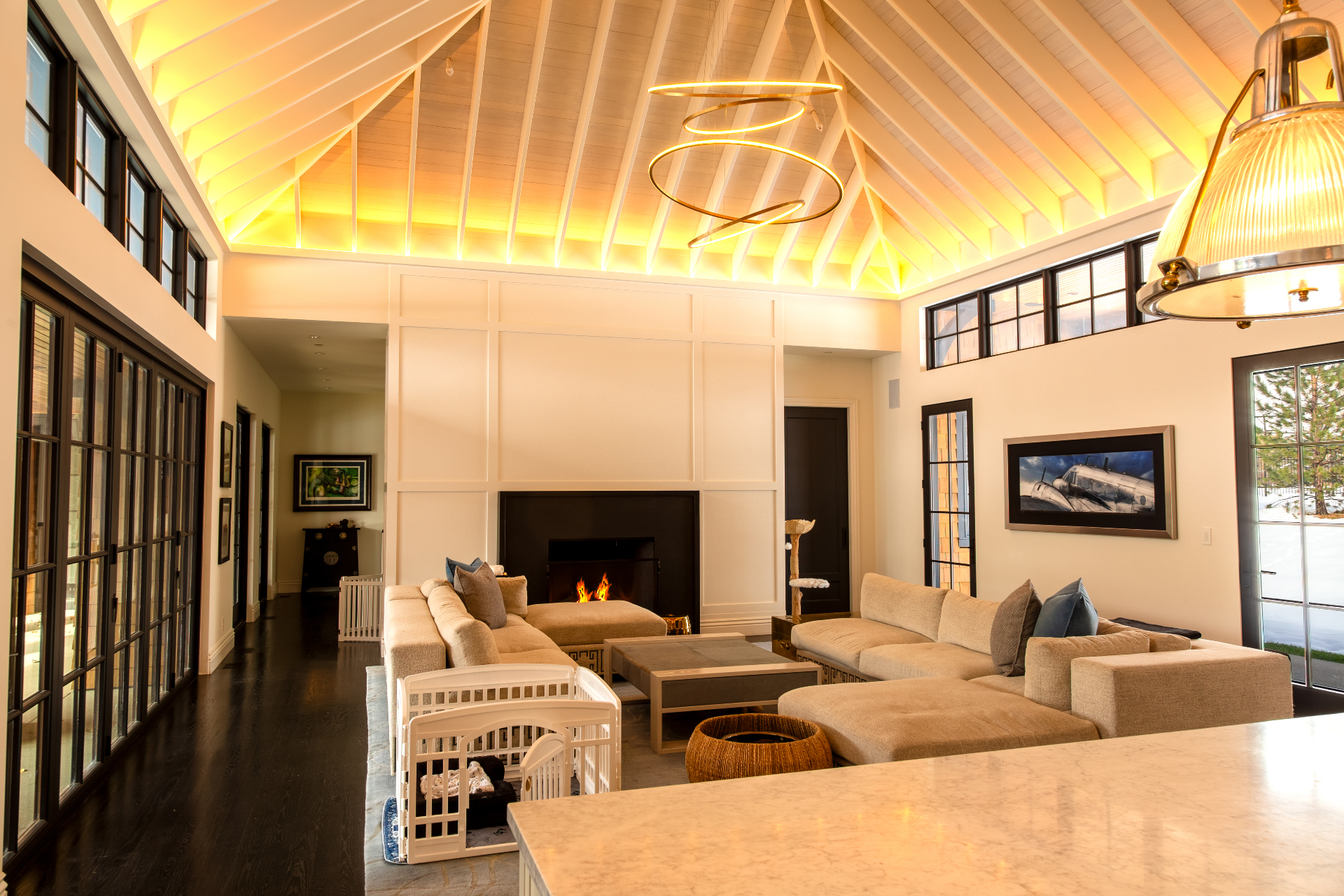
Colorado homes love glass. Twelve shades across one elevation only look right when hembars align and every motor moves at the same speed — which requires matched hardware, careful pocket framing, and a single control system.
Systems this affects
Common questions
Window treatment prewire
How deep should a shade pocket be?
It depends on window height and fabric — taller windows mean larger roll diameter. Typical recessed pockets run four to six inches, but we calculate each one and give the architect a dimensioned detail.
Do motorized shades need power in the pocket?
Hardwired motors do, and they are what we specify for primary spaces because they are quieter, faster, and never need battery service. Battery shades are a retrofit solution, not a new-construction one.
Keep planning
More from the prewire library
See the complete prewire and new construction guide, or read how technology comes together across a whole home in our luxury home technology guide.
Building or remodeling?