
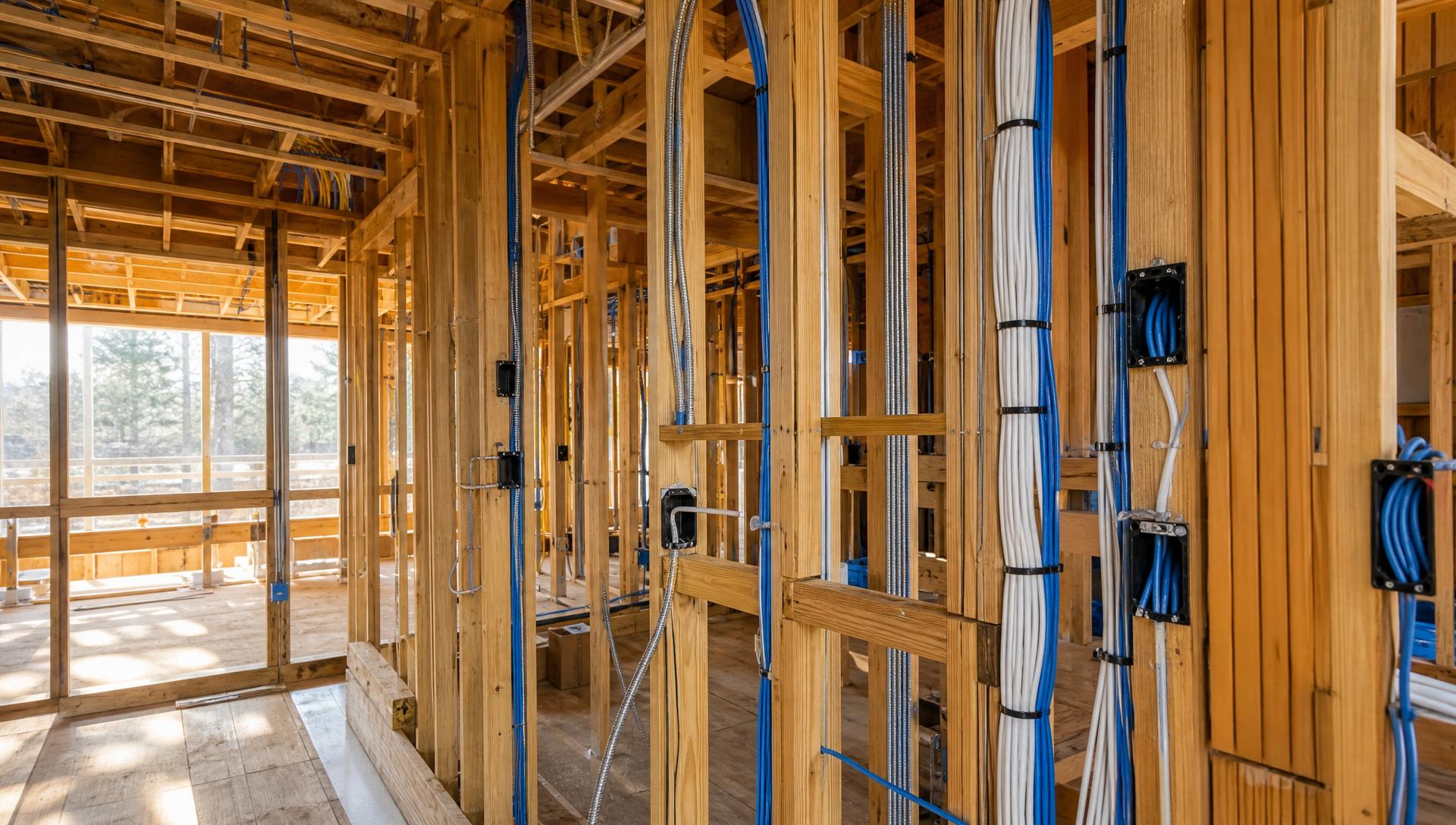
Prewire & new construction
The Denver Home Prewire Checklist
For homeowners and builders
Almost everything that frustrates a homeowner about their technology traces back to a wire that was never pulled. Once drywall closes, every omission becomes a compromise — a visible speaker, a surface raceway, a shade that has to be battery powered because nobody ran line voltage to the pocket.
This is the checklist we walk with builders and homeowners before rough-in. It costs almost nothing to add capacity during framing, and it is the single highest-return decision in the whole technology budget.
Pull it before drywall
- Cat6A to every TV location, access point, camera, and control device
- Two spare Cat6A home runs to each floor for future use
- Line-voltage power in every window pocket that could take a shade
- Shade pockets detailed with the architect — depth, fascia, and access
- Speaker wire to every ceiling and wall speaker plus in-wall subwoofers
- Landscape and patio audio conduit past the foundation line
- Conduit from the rack to the attic, crawlspace, and exterior
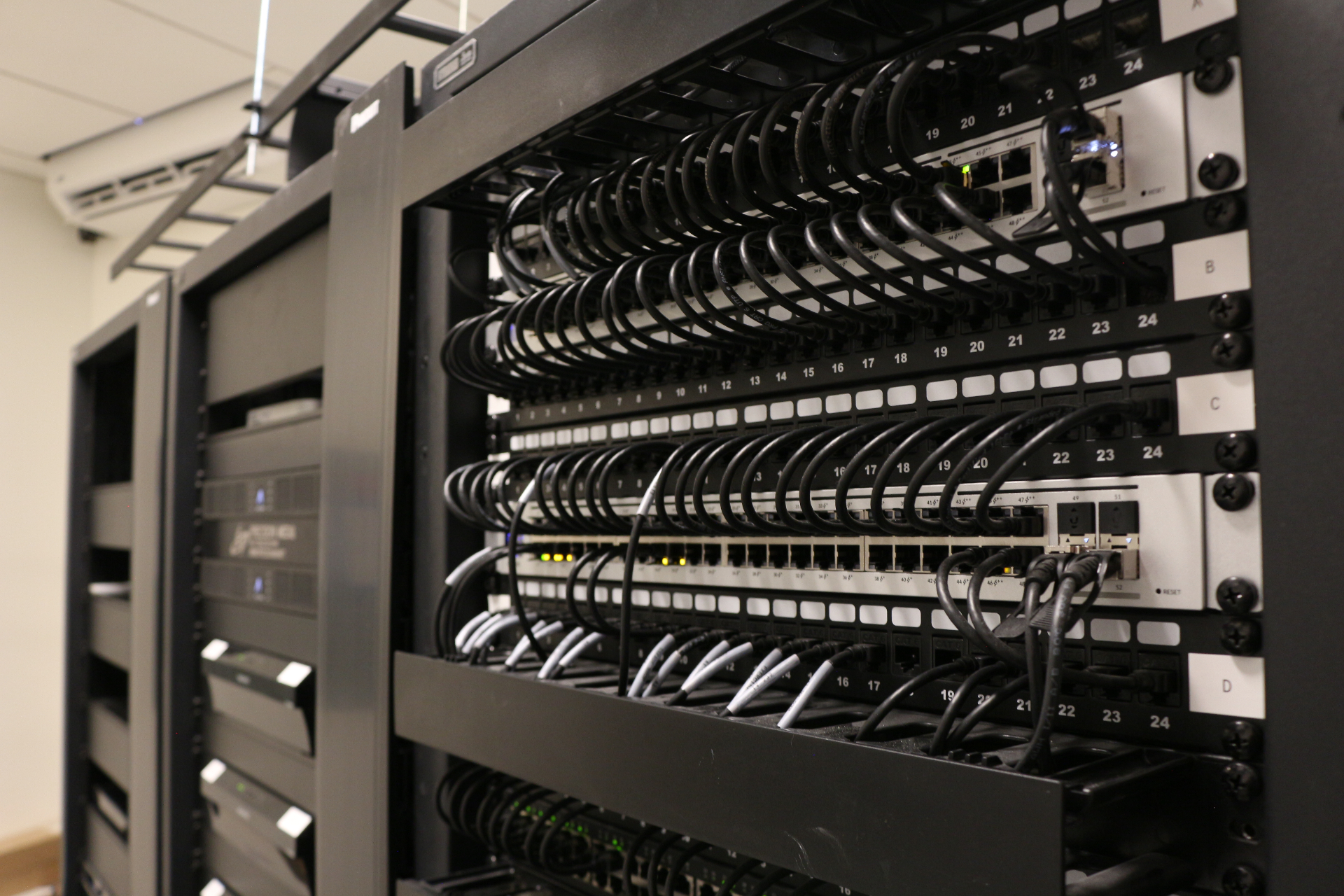
- Dedicated circuits and cooling planned for the equipment rack
- Keypad boxes located with the lighting plan, not the electrician's default
- Door, window, glass-break, and motion sensor runs for security
- Camera runs to eaves and soffits with sightlines confirmed on site
- Projector power, signal, and lift framing in dedicated theaters
- Blocking behind every display, speaker, and mounted panel
- Conduit sleeves through stone, steel, and radiant-barrier assemblies
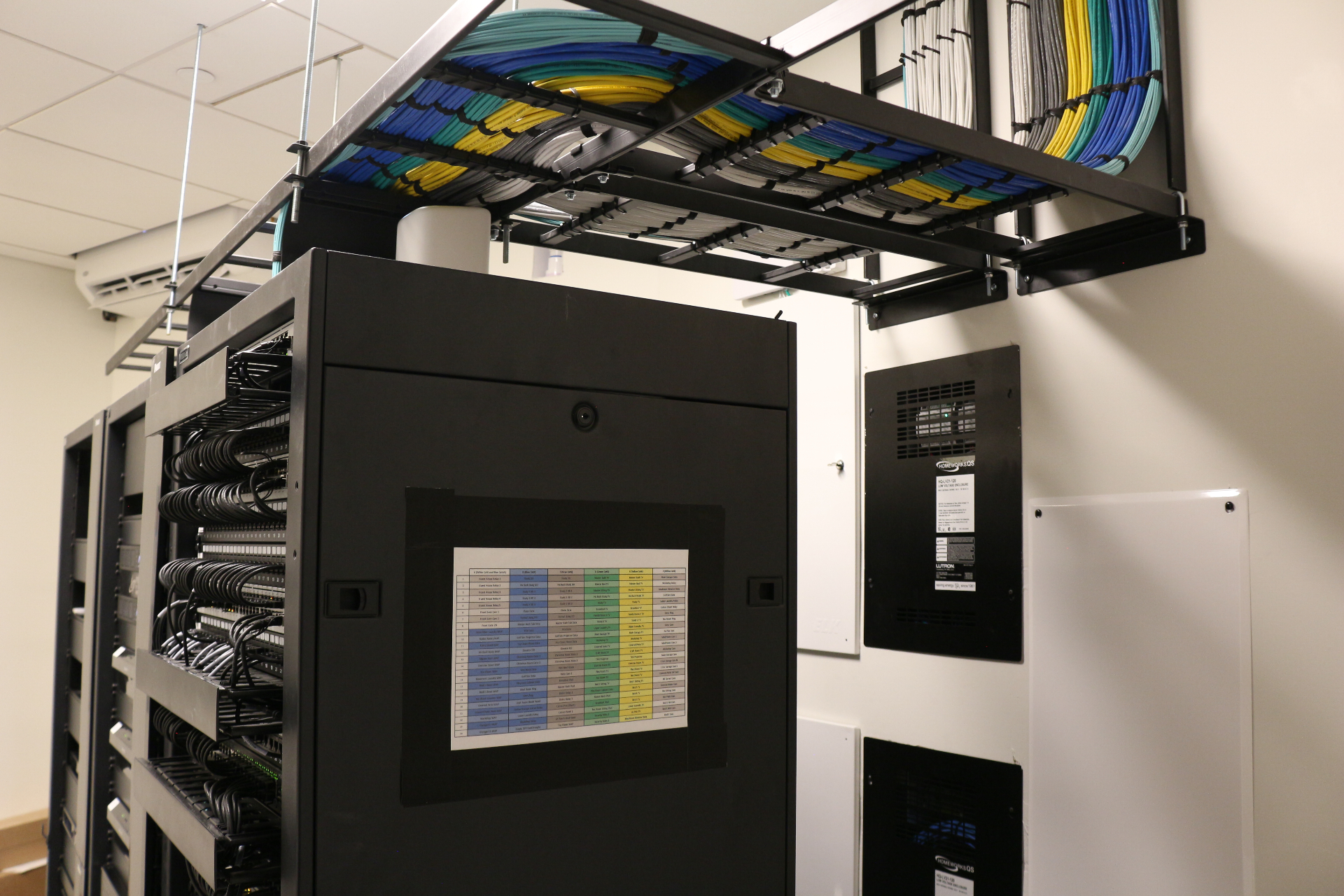
Capacity is cheap in framing
A spare home run costs a few dollars of cable and a few minutes of labor before drywall. The same run after finish means fishing walls, patching, painting, or accepting wireless where wireless does not belong. We over-pull deliberately on every project.
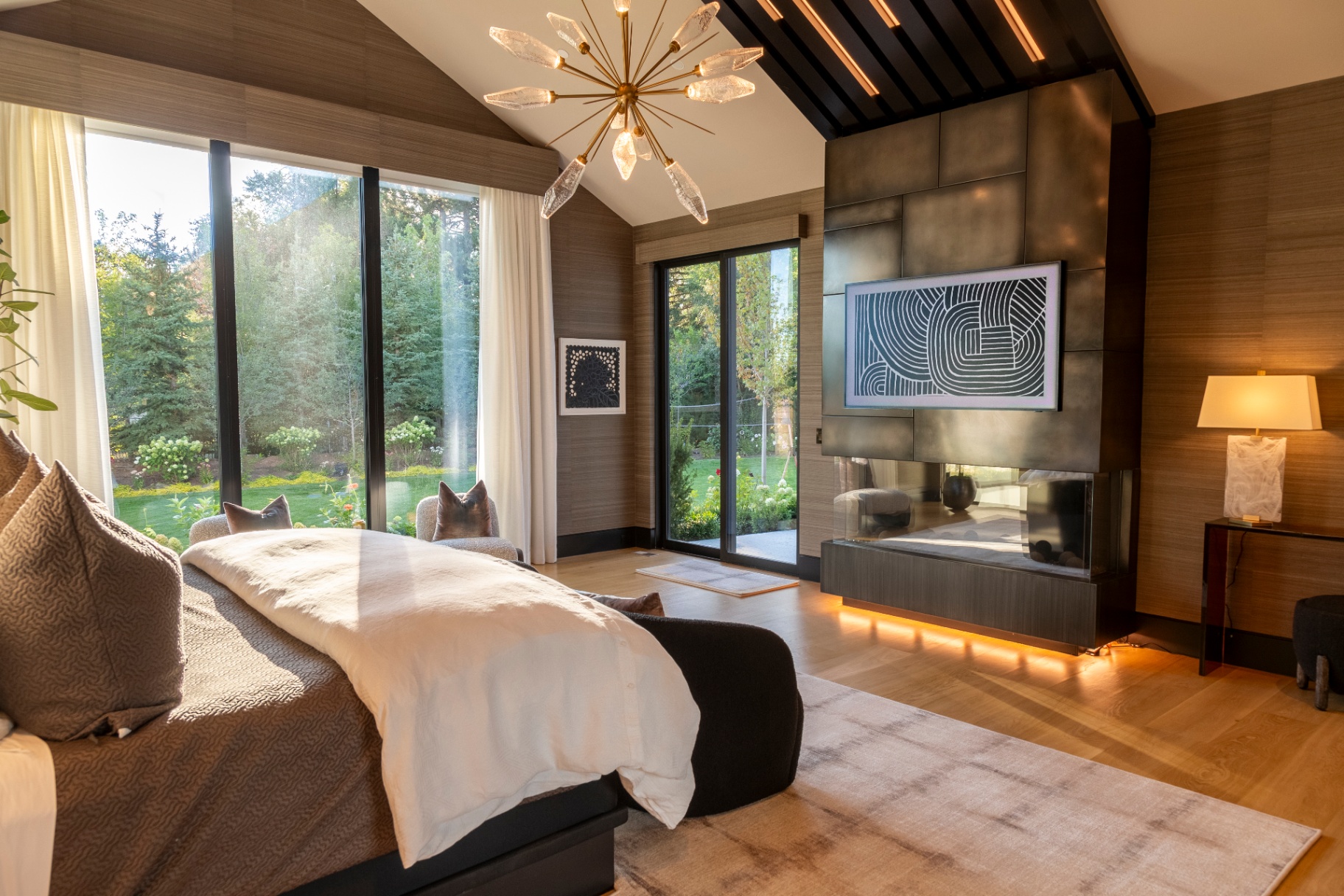
Blocking is not optional
Displays, invisible speakers, keypads, and articulating mounts all need something solid behind the drywall. We mark blocking on the framing plan and walk it with the superintendent, because a mount into a stud that is four inches off center is a visible problem forever.
Systems this affects
Common questions
Home prewire checklist
When should the prewire happen in a Denver build?
Low-voltage rough-in follows electrical rough-in and precedes insulation and drywall. We want to be on site during framing for a walkthrough, then wire over roughly one to three weeks depending on the size of the home.
What does a whole-home prewire cost?
For a Front Range custom home, prewire typically runs a few dollars per square foot depending on system count and cable density. It is a small fraction of the technology budget and the only part that cannot be added later without demolition.
Can I prewire now and add equipment later?
Yes, and it is the smartest way to phase a budget. We terminate and label everything, document it, and leave the home ready so speakers, shades, cameras, or a theater can be added in year two or year five without opening a wall.
Keep planning
More from the prewire library
See the complete prewire and new construction guide, or read how technology comes together across a whole home in our luxury home technology guide.
Building or remodeling?