
Planning guide
What Home Technology Costs in a Denver Luxury Home
For homeowners, builders, and architects
Almost every project conversation starts the same way: what should we budget for technology? The honest answer is that it depends on the systems you want and the level of finish they demand — but that does not mean there are no numbers.
The most useful planning tool we can give you is a percentage of construction cost plus a breakdown of what drives each system. Most fully integrated Colorado homes land between 6% and 12% of the construction budget for technology, with lighting control and window treatments accounting for the largest share.
The short answer
- Plan 6–12% of construction cost for a fully integrated luxury home; 3–5% for a lighter, essentials-only scope.
- Lighting control and window treatments typically consume the largest portion of a technology budget — often more than audio and video combined.
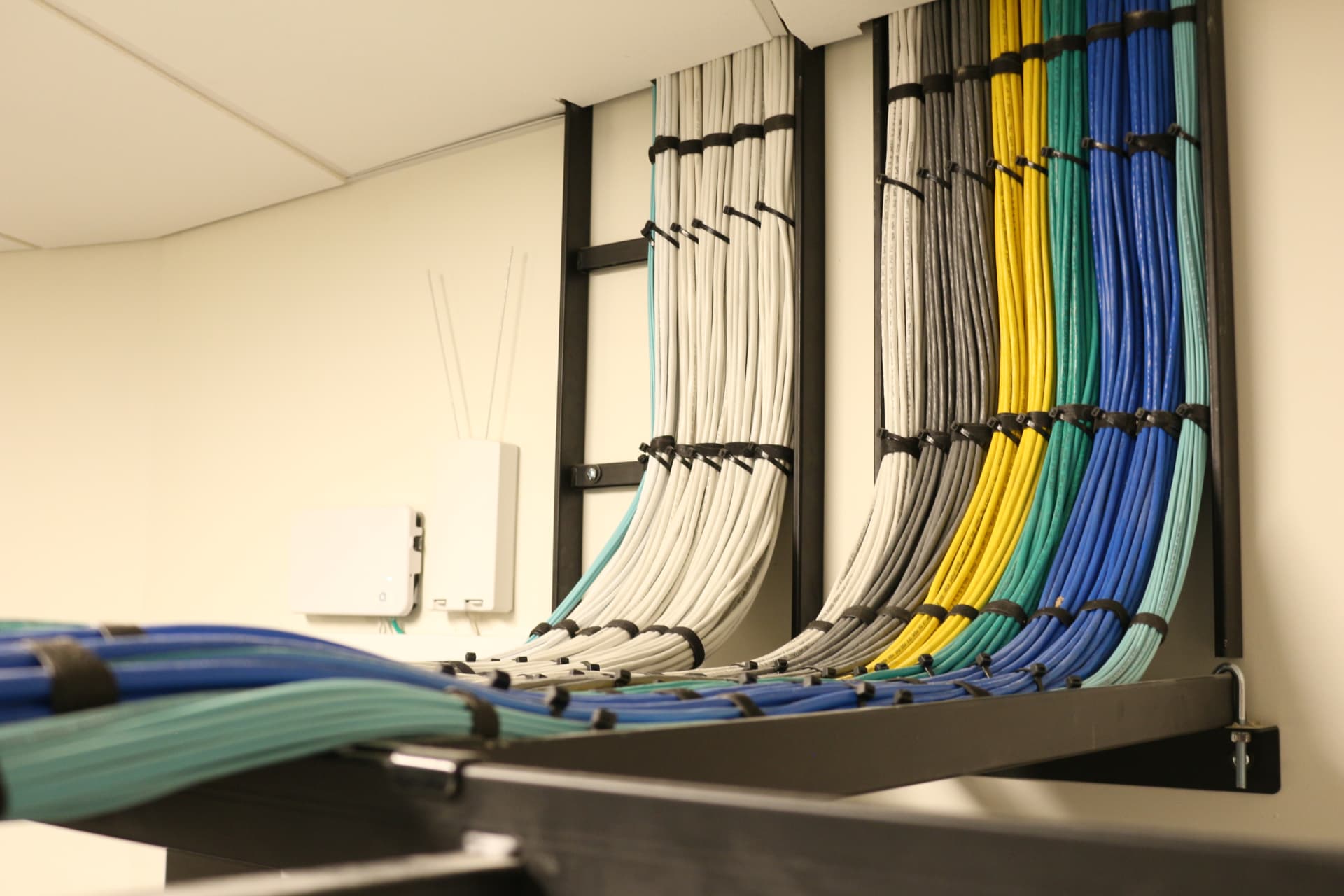
- Prewire is the cheapest line item and the most expensive one to skip; adding capacity during framing costs a fraction of retrofitting it later.
- A dedicated home theater is a distinct budget of its own, largely driven by acoustics, seating, and room construction rather than electronics.
- Ongoing service and remote monitoring should be budgeted annually, not treated as a one-time purchase.
Planning ranges
Three levels of scope
Essentials
3–5% of construction cost
The infrastructure and core systems that are painful to add later, without the full estate scope.
- Complete low-voltage prewire and structured cabling
- Enterprise-grade network and Wi-Fi coverage
- Lighting control in primary living spaces
- Motorized shades on key window walls
- Audio in the main living areas and primary suite
- Primary TV locations mounted and distributed
Integrated home
6–9% of construction cost
One platform running the house, with technology designed into the architecture from the start.
- Whole-home lighting control with keypad design and scene tuning
- Motorized shading throughout, plus drapery and specialty treatments
- Whole-home audio including outdoor zones
- Video distribution and a dedicated media room
- Surveillance, access control, and alarm integration
- Single control platform with remote support and monitoring
Estate
10–12%+ of construction cost
Full estate integration with reference-grade rooms and no compromises on concealment.
- Tunable-white and circadian lighting design throughout
- Custom drapery from an in-house workroom on every opening
- Dedicated cinema with acoustic treatment and reference electronics
- Reference two-channel and multi-zone landscape audio
- Redundant networking, UPS, and remote monitoring
- Guest houses, gatehouses, pools, and outbuildings on one system
Ranges are planning guidance for Colorado luxury homes, not quotes. Final scope depends on square footage, fixture and opening counts, and the level of concealment the architecture demands.
Where the money actually goes
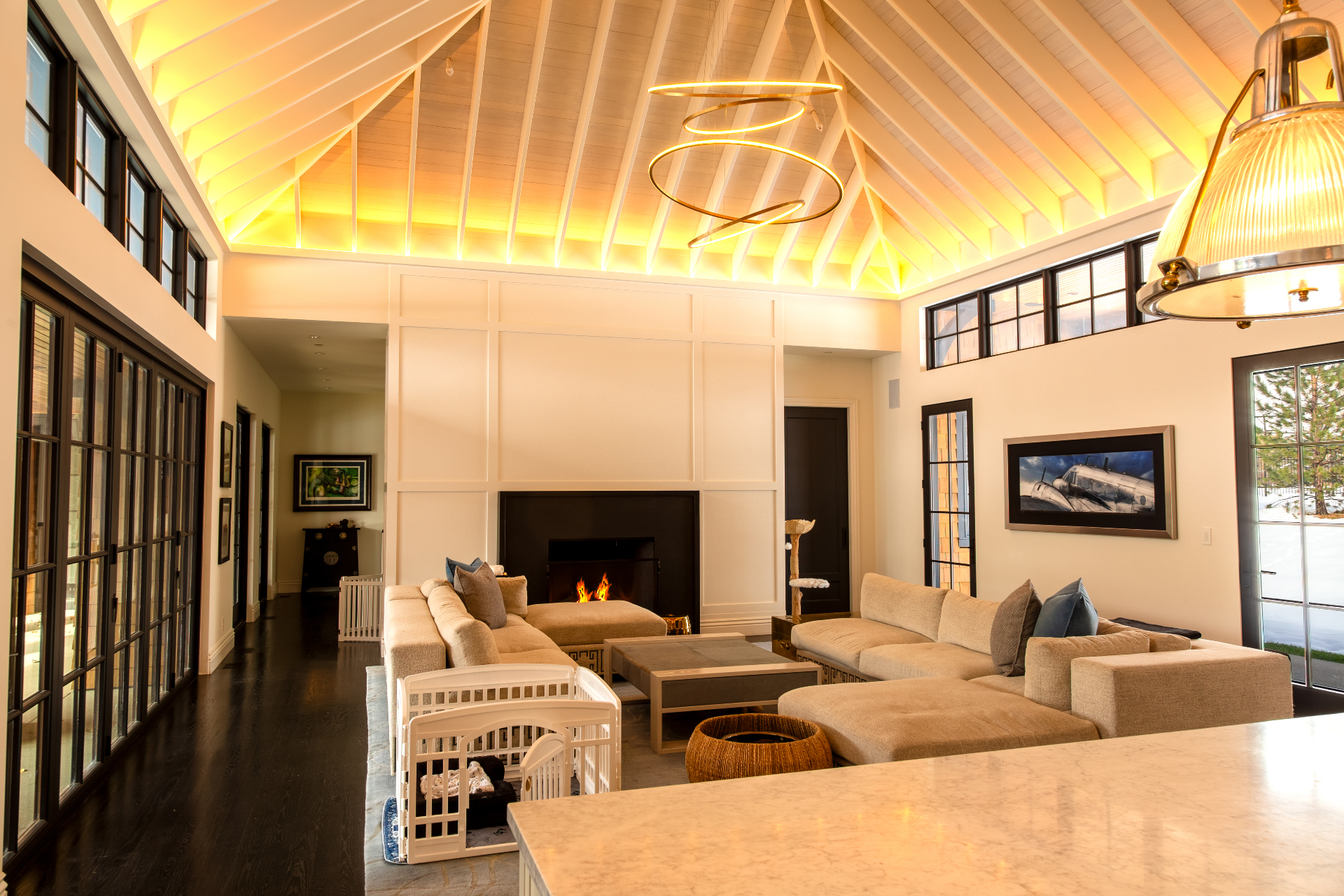
Homeowners often expect the television to be the big number. In practice, lighting control and window treatments dominate the budget — they touch every room, involve hundreds of devices, and require design time, fabrication, and on-site tuning. Audio and video follow, then networking, security, and surveillance.
Prewire is the cheapest insurance you will buy
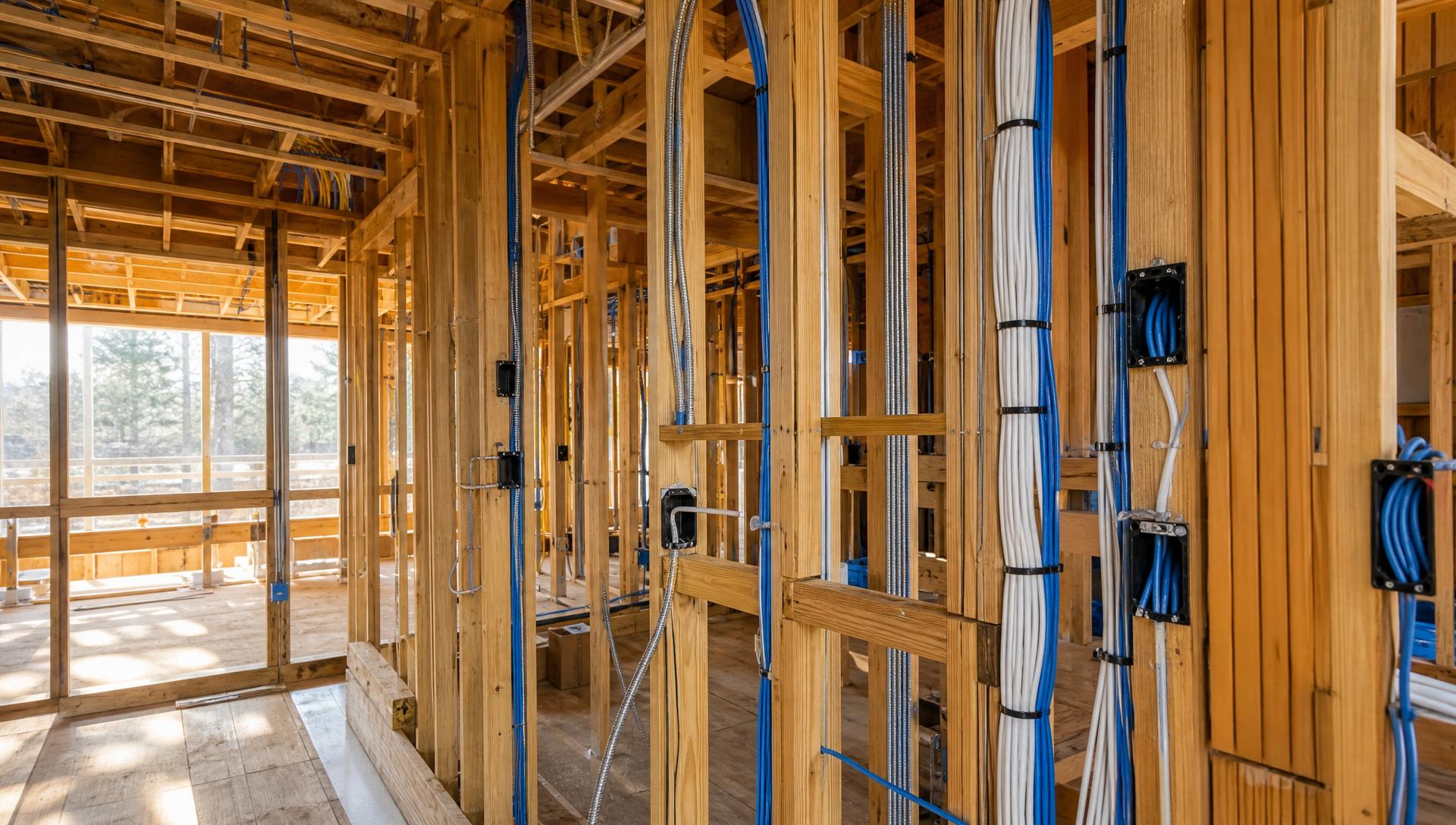
Pulling extra capacity during framing is measured in hundreds of dollars per room. Retrofitting the same capability after drywall is measured in thousands, and often ends in a visible compromise. If the budget forces a phase-two decision, phase the equipment — never the wire.
Budget the years after move-in
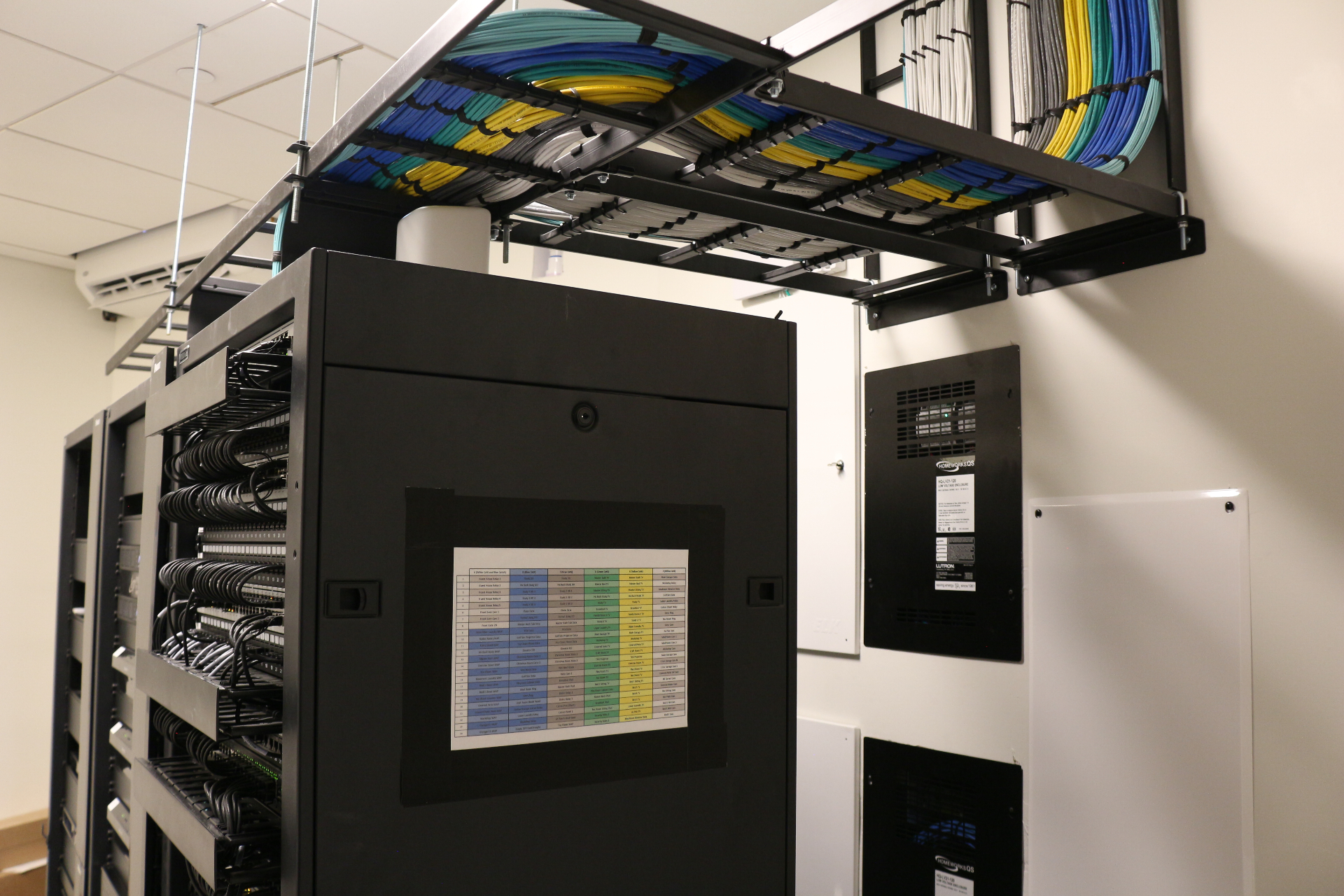
Firmware changes, carriers replace equipment, and families change how they use a house. A service plan with remote monitoring catches most issues before you notice them and keeps the system current. Plan an annual figure for it the same way you would for landscaping or mechanical service.
Systems involved
Common questions
Home technology budget guide
What percentage of a construction budget should go to home technology?
Most fully integrated Colorado luxury homes fall between 6% and 12% of construction cost. A lighter scope focused on prewire, networking, and core lighting and shading typically lands between 3% and 5%.
What is the single biggest driver of a technology budget?
Lighting control and window treatments, because they appear in every room. Fixture counts, keypad counts, fabric selections, and the number of motorized openings move the number more than any single piece of electronics.
Can a project be phased?
Yes — but phase the equipment, not the infrastructure. Pull all the wire during construction and add zones, displays, or shades later without opening walls.
What does a dedicated home theater add?
A true cinema is its own budget line, driven mostly by room construction, acoustic treatment, seating, and finishes rather than the electronics inside it.
Do you charge for design work?
Design and engineering time is part of the scope on integrated projects. It is what produces the drawings, load schedules, and coordination that keep the build on track.
Keep planning
More from the guide library
Browse every planning guide, or read the full luxury home technology guide.
Related reading
A Faster Way to Budget Technology for Your Projects
Over the last few months, we’ve been working on something internally that’s honestly been a long time coming. We built our own budgeting system. The whole goal was pretty simple: give our trade partners a way to get real, usable numbers quickly—without having to wait on a full proposal every time. Because we all know…
See Your Home in a New Light Without the Drywall Dust
Have 5″ or 6″ Recessed Cans? Your Home May Be Closer to Intelligent Lighting Than You Think Many beautiful homes have one thing quietly working against them: outdated ceiling lighting. You can have great architecture, beautiful furnishings, expensive artwork, custom cabinetry, designer fabrics, and carefully selected finishes — but if the home is lit by…
How Early Should Builders Bring in Their AV Integrator?
If the integrator shows up after drywall, it’s not integration — it’s triage.For luxury residential projects, bring your AV/low‑voltage partner in as soon as schematic design starts and before electrical plans are finalized. The 30‑Second Answer Earliest is best. Engage the AV integrator for: Why Early Involvement Protects the Build “What Early” Looks Like (Phase‑by‑Phase)…
Planning a project?